China Top Security Cameras What Is WDR and Why It Matters?

Time:2026-10-15 Author:Mason
0%

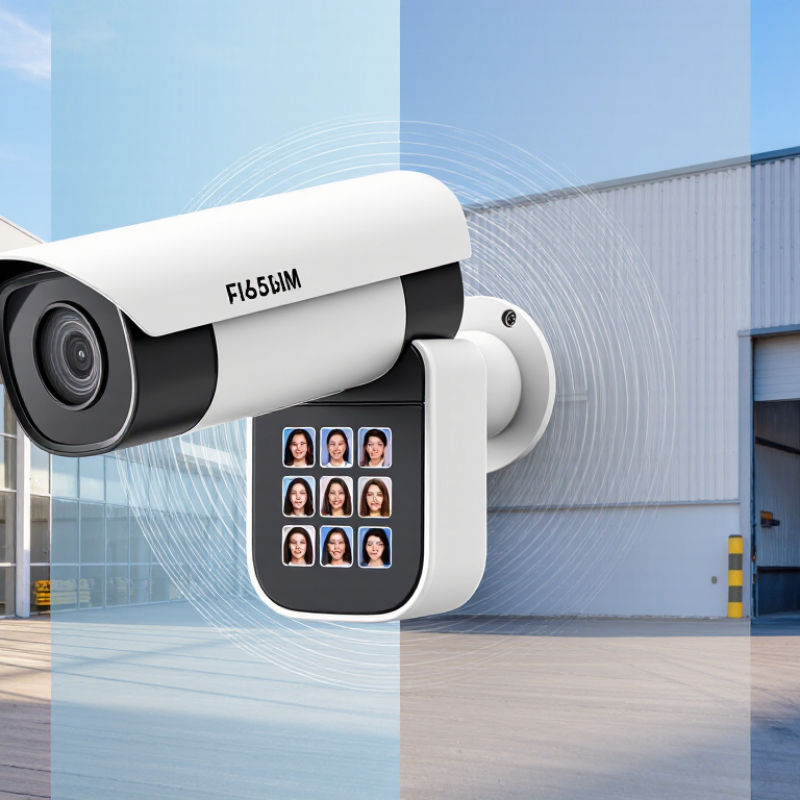
What is WDR in security cameras and why does it matter? This question becomes practical when a camera faces a glass entrance, a loading bay, or a sunlit road. Without effective WDR, the doorway may appear black while the outdoor background looks completely white. Faces disappear. License plate details become difficult to inspect.

Fredrik Nilsson, Vice President of the Americas at Axis Communications, describes the purpose clearly: “WDR is designed to reveal details in both bright and dark areas of an image.” This principle matters for China’s top security cameras because many installations face uneven lighting. A warehouse camera may record a bright gate and a shadowed interior in the same frame. WDR combines exposures to balance these extremes. The result should be a more usable image, not merely a brighter one.

Real performance still depends on sensor quality, lens design, processing, and installation. Strong WDR cannot repair motion blur, dirty glass, poor focus, or an incorrectly positioned camera. That is easy to forget. Some product pages also use impressive WDR numbers without showing realistic test scenes. A careful buyer should examine samples with backlighting, moving subjects, and nighttime contrast. Look closely at faces and edges.

Good WDR is not magic. It is a practical imaging tool. When tested honestly, it can protect details that ordinary cameras lose. That difference may shape whether footage supports a reliable review or leaves only vague silhouettes.
China Top Security Cameras What Is WDR and Why It Matters?

What Is WDR in Security Cameras?

WDR in security cameras means Wide Dynamic Range. It helps a camera record clear details in very bright and dark areas at the same time. Imagine a doorway with strong sunlight behind a visitor. Without WDR, the background may look white, while the visitor’s face becomes a dark outline. With WDR, the camera captures different exposure levels and combines them into one balanced image.

This function matters in entrances, parking areas, loading bays, and rooms with large windows. A useful camera should preserve facial details, clothing colors, and nearby objects without excessive glare. In practical testing, inspect footage during midday and at dusk. Check whether faces remain visible near glass doors. Also examine moving subjects, because aggressive image processing can create soft edges or ghost-like trails.

WDR is not a cure-all. It cannot restore details that the sensor never captured. Strong backlight, dirty lenses, poor installation, and low-quality night lighting can still damage the image. Some cameras use digital WDR, which may improve contrast but produce less natural results than multi-exposure WDR. Specifications alone can mislead. Test the camera at its real mounting height and viewing angle. A slightly imperfect image may reveal more useful detail than a heavily brightened picture. The best setting often requires adjustment rather than automatic mode.

How WDR Technology Processes Bright and Dark Areas

China Top Security Cameras: What Is WDR and Why It Matters?

WDR, or Wide Dynamic Range, helps a security camera handle bright and dark areas in one scene. Imagine a doorway under strong sunlight. Without WDR, the outside may look white, while the person inside becomes a dark silhouette. WDR captures multiple exposures, then combines them into one balanced image. Bright highlights are reduced. Shadow details are lifted. Many professional cameras express WDR performance in decibels, such as 120 dB or 140 dB. However, higher numbers do not always guarantee better images. Sensor quality, lens design, and processing software still matter.

The 2024 MarketsandMarkets video surveillance report projects the global market to grow from about 53.7 billion dollars in 2023 to 83.3 billion dollars by 2028. Its findings highlight rising demand for clearer images and intelligent video analysis. This trend makes reliable WDR increasingly important in entrances, parking areas, warehouses, and glass-fronted offices. In practical testing, compare faces near windows, not only colorful daytime scenes. Strong WDR can sometimes create halos, motion ghosts, or unnatural colors. That weakness deserves attention.

Tips: Test the camera at sunrise and sunset. Check license plates, faces, and doorway details. Compare true multi-exposure WDR with digital WDR. Digital processing is cheaper, but it may recover less shadow detail. Use a moderate setting when moving objects appear. Perfect balance is not always possible.

China Top Security Cameras: What Is WDR and Why It Matters? - How WDR Technology Processes Bright and Dark Areas

Data Dimension Technical Information How It Processes Bright Areas How It Processes Dark Areas Practical Effect
WDR meaning Wide Dynamic Range is an imaging method that preserves usable detail across areas with substantially different brightness levels. Reduces overexposure and limits clipped highlights. Raises or preserves detail in underexposed regions. More balanced images in high-contrast scenes.
Dynamic range The ratio between the brightest and darkest levels that an imaging system can capture with useful detail. Prevents bright light sources, windows, or reflective surfaces from becoming featureless white areas. Helps retain information in shadows, doorways, and poorly lit backgrounds. Improves visibility across a wider brightness range.
WDR measurement Usually expressed in decibels (dB). The theoretical ratio is calculated as: 20 × log10(brightest signal ÷ darkest signal). A higher rated range indicates greater ability to handle strong highlights. A higher rated range indicates greater separation between shadow detail and noise limitations. The dB rating is useful for comparison, but real performance also depends on lighting, exposure, noise, and scene movement.
60 dB dynamic range A 60 dB ratio corresponds mathematically to approximately 1,000:1 between the brightest and darkest signal levels. Can reduce moderate window or doorway overexposure. May preserve shadow information when the contrast is not extreme. Suitable for many ordinary indoor and outdoor scenes.
80 dB dynamic range A 80 dB ratio corresponds mathematically to approximately 10,000:1. Provides stronger control of bright entrances, sunlit backgrounds, and reflective surfaces. Offers more room for shadow detail before dark regions become indistinct. Often better suited to challenging entrances, lobbies, and covered outdoor areas.
120 dB dynamic range A 120 dB ratio corresponds mathematically to approximately 1,000,000:1; published camera ratings may use different test methods and should not be treated as directly interchangeable. Targets very strong highlight suppression in severe backlighting. Attempts to maintain useful shadow detail across an extremely wide scene range. A high number does not guarantee equal real-world performance in every scene.
True WDR / multi-exposure WDR The sensor captures multiple exposures, commonly a shorter exposure for bright regions and a longer exposure for dark regions, then combines them. The short exposure reduces highlight clipping. The long exposure gathers more light from shadow areas. Usually more effective than simple digital brightening in static or slowly changing scenes.
Digital WDR A software-based process that adjusts tone, contrast, or local brightness from one captured exposure or an image stream. Compresses bright tones in the processed image. Brightens darker tones, which can also amplify image noise. Can improve appearance, but may provide less highlight recovery than multi-exposure WDR.
Backlight Compensation (BLC) Adjusts exposure for a selected area, usually the central or monitored region of the image. Accepts that some background highlights may become overexposed. Brightens the main subject or foreground. Useful when identifying a subject matters more than retaining background detail.
Highlight Compensation (HLC) Reduces the intensity of very bright localized areas such as headlights or spotlights. Masks or suppresses intense highlights to reduce glare. Does not provide the same broad shadow recovery as multi-exposure WDR. Helpful for vehicle monitoring and nighttime scenes with strong point lights.
Motion artifacts Multiple exposures are captured at different times, so moving objects may not align perfectly during image combination. Bright moving edges can produce ghosting or double contours. Longer shadow exposure can make motion blur more visible. WDR settings may need adjustment in scenes with fast-moving people or vehicles.
Best-use environments Entrances, reception areas, parking structures, loading zones, corridors with windows, and outdoor locations with strong backlighting. Maintains information in bright skies, windows, lamps, and sunlit backgrounds. Improves visibility in doorways, covered areas, shaded faces, and darker corners. WDR is most valuable when a scene contains bright and dark areas at the same time.
Important note: WDR ratings are not always measured under identical laboratory conditions. For a reliable comparison, also review sample footage, exposure behavior, motion performance, noise levels, shutter speed, and the actual lighting conditions of the installation site.

Why WDR Matters for China Security Camera Performance

China security camera performance depends heavily on WDR when scenes contain strong backlighting. WDR means Wide Dynamic Range. It combines exposures to preserve bright and dark details in one frame. A doorway may show a bright street and a dim lobby together. Without WDR, the face can become a black shape.

According to Fortune Business Insights’ 2024 Video Surveillance Market report, the global market reached about USD 83.86 billion in 2023. Growth increases pressure on manufacturers to deliver usable images, not only higher resolution. A camera rated at 120 dB WDR can handle wider contrast than a basic model. However, the number is not magic. Sensor quality, exposure control, and image processing still matter. In field testing, weak WDR may create ghosting around moving people or unnatural colors. That detail is easy to overlook.

Tips: Test the camera at sunrise, near glass doors, and under mixed lighting. Check faces at three to five meters. Compare recorded footage, not only live previews. Review the image frame by frame. Some specifications appear impressive, but real scenes can disagree. This is where careful installation matters. Adjust the viewing angle before increasing digital settings. A slightly lower angle may prevent direct sunlight from washing out the entrance. According to EMVA 1288 measurement principles, image quality should be evaluated through measurable noise, sensitivity, and dynamic-range results, rather than marketing labels alone.

WDR, True WDR, and Digital WDR: Key Differences

In security camera selection, WDR matters when a doorway faces bright daylight. A dark face can appear beside a white, featureless window. Wide Dynamic Range reduces this contrast problem. It captures bright and dark areas more clearly in the same scene. This is useful at entrances, loading bays, and reception desks. Real installations are less tidy than specifications suggest. Dust, glare, and moving people still affect the image.

True WDR usually uses multiple exposures for one frame. The camera records a darker exposure and a brighter exposure. Its processor combines them into a more balanced image. This approach can preserve facial detail under difficult backlighting. However, fast movement may create ghosting or slight edge errors. Performance depends on sensor quality, processing, and careful testing. A high WDR number alone proves little.

Digital WDR, often called DWDR, adjusts image brightness through software. It may improve visibility in moderate contrast. It usually costs less and needs simpler hardware. Yet it cannot recover details the sensor never captured. True WDR is generally stronger for severe backlighting. Night scenes need extra attention. Excessive compensation can make shadows noisy or colors unnatural. In practice, compare sample footage from the actual mounting position. Check faces, reflective glass, motion, and changing sunlight. I once trusted a specification too quickly. The final image was acceptable, but not convincing.

China Top Security Cameras: What Is WDR and Why It Matters?

WDR, True WDR, and Digital WDR: Key Differences

How to read the chart: The value represents the typical number of exposure inputs used to create the final image. A value of 1 means the image is based on one exposure. A value of 2 represents separate bright-area and dark-area exposures that are combined.

True WDR captures different exposure levels at the sensor or camera imaging pipeline, helping preserve both highlights and shadows in high-contrast scenes. Digital WDR mainly enhances a single exposure through image processing, so it is less effective when bright and dark areas are severely overexposed or underexposed.

Practical note: Actual performance depends on sensor design, exposure timing, image processing, lighting conditions, and moving objects in the scene.

How to Choose a China Security Camera with the Right WDR Level

Choosing the right WDR level starts with the scene, not the product label. WDR balances bright and dark areas in one image. A 120 dB rating sounds impressive. However, it does not guarantee clear faces. The 2024 Video Surveillance Market Report by MarketsandMarkets valued this market at USD 53.7 billion. It forecasts USD 83.3 billion by 2029. This growth reflects stronger demand for usable images, not simply higher specifications.

For a covered entrance, 100–120 dB WDR is usually practical. Strong sunlight behind visitors can otherwise turn faces into silhouettes. A lobby with soft lighting may need only 80–100 dB. Outdoor gates deserve more attention. Test them during sunrise, rain, and vehicle headlights. Real conditions expose weaknesses quickly.

Check whether the camera uses true multi-exposure WDR or only digital contrast correction. Digital correction may brighten shadows, but it can also increase noise and blur movement.

Installation matters as much as the rating. Mount the camera away from direct afternoon sunlight when possible. Keep the lens clean; fingerprints can create bright halos. Compare sample footage at the intended height and viewing angle. Industry image-quality guidance, including IEC 62676 recommendations, treats resolution, exposure, and scene lighting as connected factors. I would not choose a camera from its dB number alone. A high rating can still disappoint when moving subjects, compression, or poor night performance are ignored. Testing one sample on site is slower, but it prevents an expensive assumption.

FAQS

What does WDR mean in a security camera?

WDR means Wide Dynamic Range. It balances very bright and dark areas within one recorded image. Without it, a sunlit doorway may show a visitor as a dark outline.

Where is WDR most useful?

WDR helps at entrances, parking areas, loading bays, and rooms with large windows. It is especially useful when sunlight or headlights shine behind people.

Does a higher WDR rating guarantee clearer faces?

No. A 120 dB rating sounds strong, but it cannot guarantee useful facial details. Sensor quality, exposure control, processing, and installation also affect the image.

What WDR level might a covered entrance need?

A covered entrance often works well with approximately 100–120 dB WDR. A softly lit lobby may need around 80–100 dB. These are practical starting points, not fixed rules.

How should WDR performance be tested?

Test recorded footage at sunrise, midday, dusk, and during vehicle headlights. Check faces from three to five meters. Review moving subjects frame by frame.

What is the difference between digital and multi-exposure WDR?

Multi-exposure WDR captures different exposure levels and combines them. Digital WDR mainly changes contrast after capture. It may brighten shadows but increase noise or blur.

Can WDR fix every image problem?

No. WDR cannot restore details that the sensor never captured. Dirty lenses, poor night lighting, strong glare, and excessive compression still damage footage.

How does installation affect WDR results?

Mount the camera away from direct afternoon sunlight when possible. Keep the lens clean, because fingerprints can create bright halos. Adjust the viewing angle before increasing digital settings.

What problems can aggressive WDR processing create?

Strong processing may produce ghost-like trails, soft edges, unnatural colors, or extra noise. Moving people reveal these faults quickly. The image may look brighter, but less trustworthy.

Should a camera be chosen from specifications alone?

No. Compare one sample at its real mounting height and viewing angle. A slightly imperfect image may preserve more useful detail than an overly brightened picture. I would still test it onsite. Assumptions can be expensive.

Conclusion

What is WDR in security cameras and why does it matter? WDR, or Wide Dynamic Range, is a technology that helps a security camera capture clear images when a scene contains both very bright and very dark areas. By balancing different exposure levels, WDR preserves details in shadows while preventing highlights, such as sunlight or strong lamps, from becoming completely washed out. This is especially important for security cameras used at entrances, windows, parking areas, and other locations with changing or uneven lighting.

True WDR generally uses multiple exposures to produce more balanced images, while digital WDR improves visibility through software and image processing. Although digital WDR can be useful, it may not perform as naturally in extreme lighting conditions. When choosing a China security camera, consider the installation environment, lighting changes, resolution, sensor quality, and the camera’s actual WDR performance rather than relying only on technical labels. The right WDR level can improve identification, monitoring reliability, and overall image clarity.

Mason

Mason

Mason is a seasoned marketing professional with a deep expertise in the company's offerings and a passion for driving brand awareness. With a strong background in digital marketing strategies, he has an innate ability to connect with diverse audiences and effectively communicate product benefits.......