Spiders can be a nuisance when they decide to build webs on security cameras. This issue not only obstructs the camera view but can also cause performance problems. Many property owners wonder how to stop spiders from making webs on security cameras. In this guide, we will explore effective methods to keep your cameras spider-free.
Understanding spider behavior is crucial. Spiders are attracted to certain environments that provide shelter and food. Security cameras, placed outdoors, can seem like an appealing spot for them. Regular maintenance is essential to preventing infestations. Regularly inspect your cameras and surrounding areas to identify potential spider attractions.
There are various practical approaches you can take. Consider using natural repellents that deter spiders without causing harm. Keeping the area around the camera clean helps reduce webs. It might take effort and a bit of trial and error to find what works best for your situation. Ultimately, keeping your security cameras clear from webs ensures they function efficiently for your peace of mind.
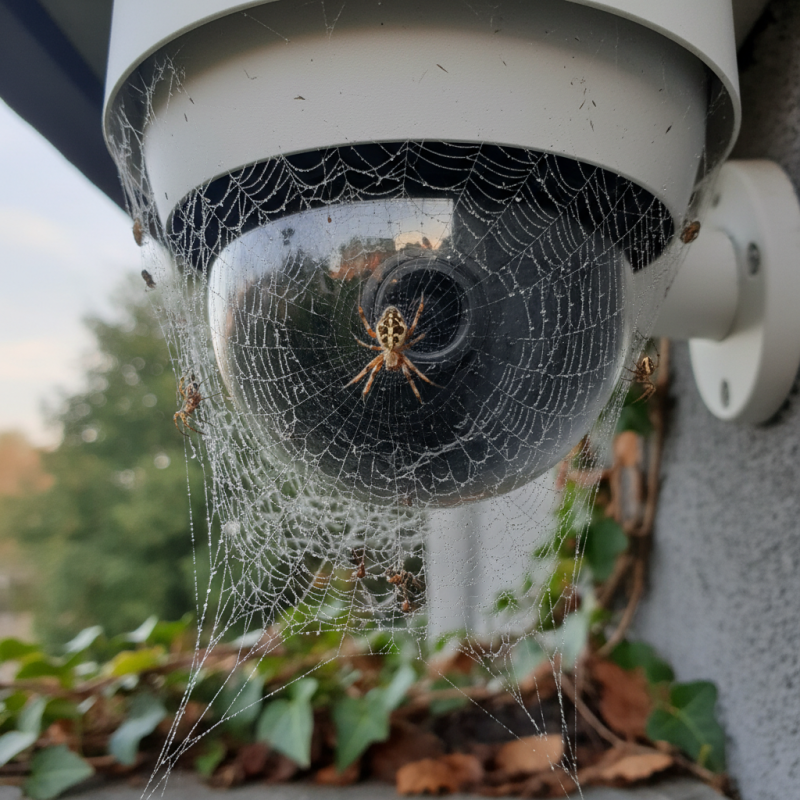
Spiders often find security cameras inviting spots for building webs. To effectively deter them, physical barriers are essential. One practical approach is to use silicone sealant around the camera mounts. This creates a protective barrier that makes it harder for spiders to access the camera. Additionally, installing mesh screens can prevent spiders from approaching while still allowing the camera to capture clear images.
Another effective solution involves regular maintenance and cleaning. Wiping down the camera and its surroundings can remove spider eggs and webs. However, it's easy to forget this task amidst a busy schedule. Consider designating a specific time each month for this maintenance. Another option is to position cameras in open areas, making them less appealing for spiders. Yet, this may sometimes compromise the camera's efficiency.
Experiment with both options to find what best suits your environment. Each location may require a unique approach. Success can be a journey of trial and error. It’s important to stay patient and observant while adjusting your methods.
| Method | Description | Effectiveness Rating |
|---|---|---|
| Install Spider Barriers | Use mesh or other materials to create physical barriers around camera units. | ⭐⭐⭐⭐⭐ |
| Regular Cleaning | Frequent cleaning of cameras to remove webs and spiders. | ⭐⭐⭐⭐ |
| Using Deterrent Sprays | Apply spider-repellent sprays around the camera area. | ⭐⭐⭐ |
| Install Motion Sensors | Set up motion sensors that trigger lights to deter spider activity. | ⭐⭐⭐⭐ |
| Positioning Cameras | Mount cameras in areas less prone to spider activity. | ⭐⭐⭐⭐⭐ |
| Natural Deterrents | Utilize essential oils or natural repellents to dissuade spiders. | ⭐⭐⭐ |
| Trimming Vegetation | Keep surrounding foliage trimmed to limit spider habitats. | ⭐⭐⭐⭐ |
| Use of Sticky Traps | Place traps around the camera areas to catch spiders. | ⭐⭐⭐⭐ |
| Regular Checks | Conduct routine inspections to identify any spider presence. | ⭐⭐⭐⭐⭐ |
: Use repellent sprays or essential oils like peppermint or lavender. They create an unwelcoming environment for spiders.
Mix a few drops of peppermint oil with water in a spray bottle. Shake well before using.
Reapply the oils regularly, especially after rain or strong winds. Spiders might return otherwise.
Natural sprays are safer and free from harsh chemicals. They can effectively deter spiders without harmful side effects.
Regularly clean the lenses with a microfiber cloth. Dust and spider webs can obstruct the view significantly.
It enhances video clarity and reduces camera failure rates. Neglecting maintenance can lead to more problems.
Yes, overgrown branches or spider-friendly areas can attract spiders. Keeping the area tidy is essential.
Use mild cleaning solutions and clean weekly. Observing the camera's clarity can help identify issues.
You risk increased failure rates and decreased video clarity. Many users overlook this, causing frustration.
To effectively address the question of "How to stop spiders from making webs on security cameras?", there are several practical strategies that can be implemented. First, employing physical barriers can significantly deter spiders from approaching the cameras. This may include using fine mesh screens or applying protective coverings. Additionally, selecting the right placement for cameras can minimize spider attraction; positioning them away from gardens or areas with dense vegetation can reduce encounters.
Moreover, utilizing repellent sprays and essential oils can provide an extra layer of protection against spiders. Regular maintenance and cleaning of the cameras are essential to remove any existing webs or spider activity, thus making the cameras less appealing to these pests. Lastly, encouraging natural predators, such as certain beneficial insects, around the camera’s vicinity can help control spider populations naturally, creating an eco-friendly solution for maintaining clear security footage.

 AxizView Camera