A buyer-focused, factory-verified guide to compact surveillance camera manufacturing, OEM/ODM engineering, supply-chain resilience, localized support, compliance assurance, and future-ready AI video surveillance.
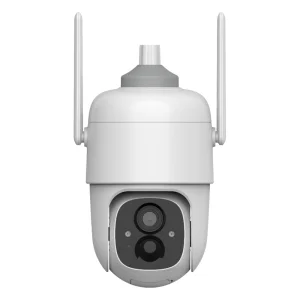
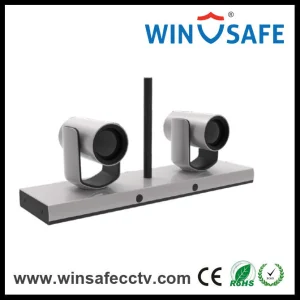
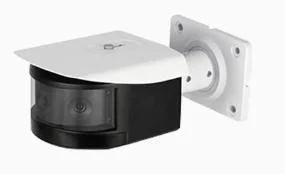
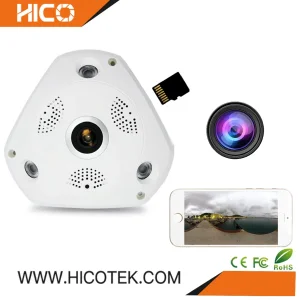
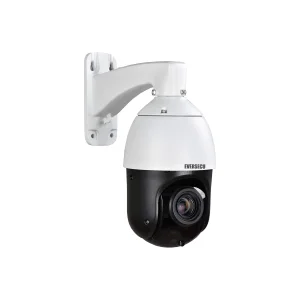
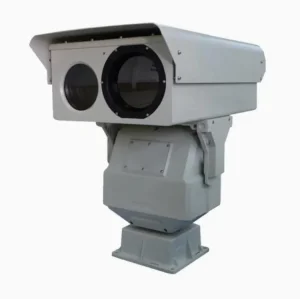
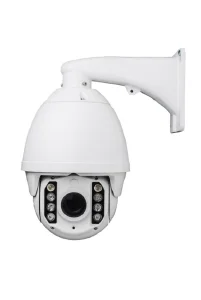
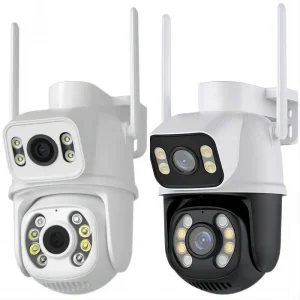
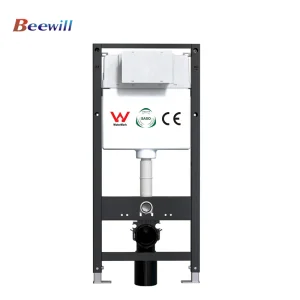
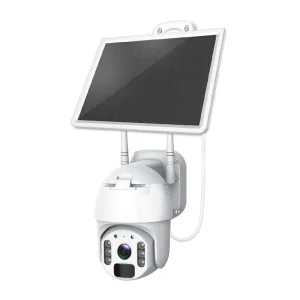
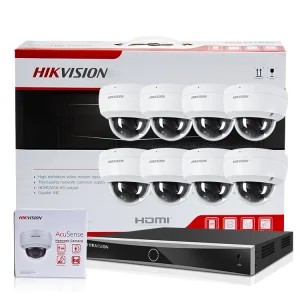
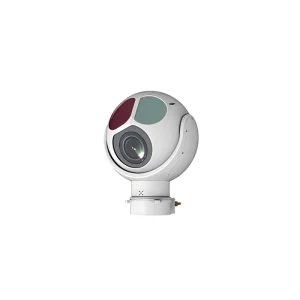
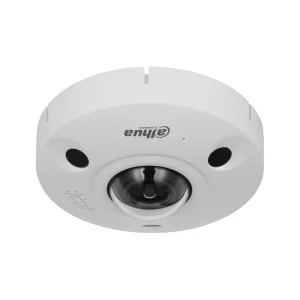
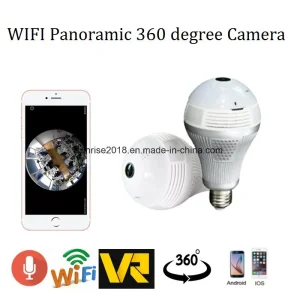
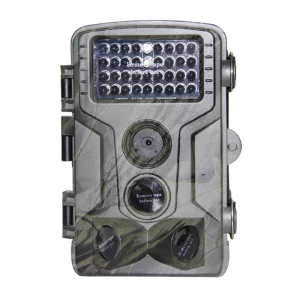
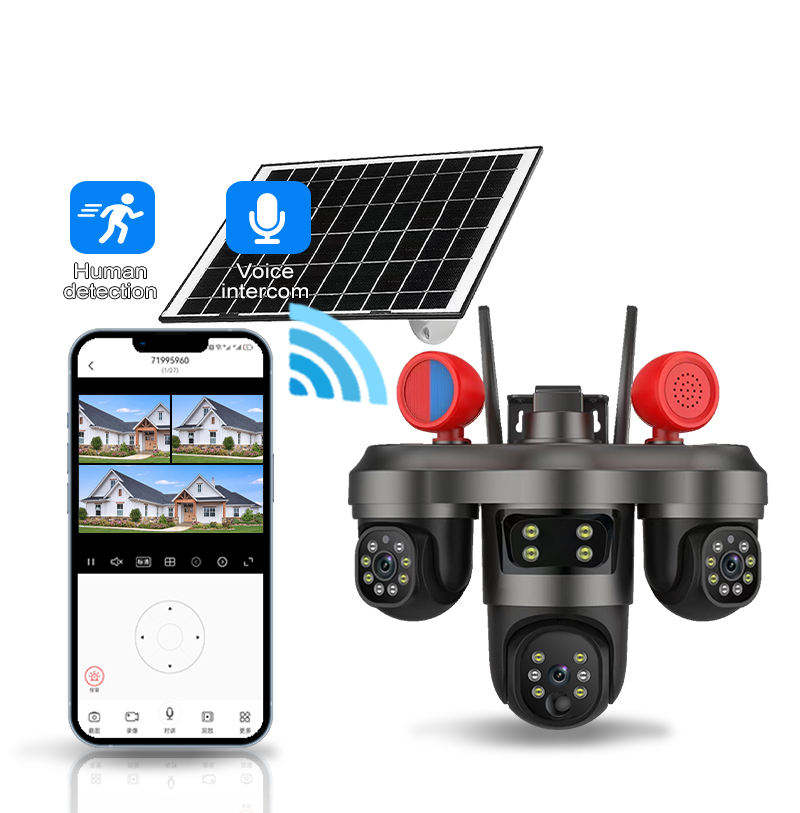
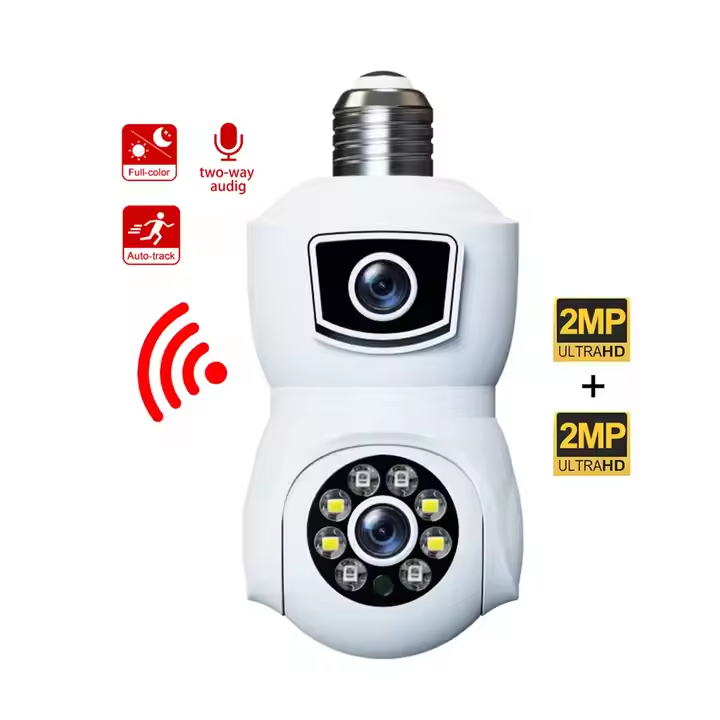
Eight representative compact, panoramic, PTZ, thermal, and connected surveillance products from the original catalog. Every product image and original product URL is retained so buyers can move directly from factory evaluation to product-level due diligence.
Semantic search has changed B2B discovery. A buyer typing this query is usually not asking for an unverifiable directory. The intent blends commercial investigation, supplier verification, compact hardware engineering, OEM/ODM capability, compliance, and long-term support.
Google’s Search Quality Rater Guidelines reward pages that show first-hand industry knowledge, clear sourcing logic, and useful decision support rather than keyword repetition. For that reason, this whitepaper uses an evidence-first approach: it does not invent a pay-to-play list of factory names. Instead, it defines a 10-point factory evaluation model that can be applied to any compact security camera supplier, then uses Zhejiang AxizView Camera Co., Ltd. as a transparent reference example from the original factory profile.
Buyers need evidence of owned production, process control, engineering staff, and traceable records—not only a polished catalog or aggressive quotation.
Small cameras concentrate sensor, lens, power, thermal, wireless, storage, and AI constraints into a tight enclosure. Engineering depth matters.
CE, FCC, RoHS, ONVIF, privacy-by-design, and documented QA often influence shortlists as much as unit price and lead time.
Component planning, mixed-order flexibility, shipment documentation, and firmware continuity separate reliable factories from assembly-only suppliers.
Use these ten signals to compare compact security camera factories with a documented, audit-ready approach. The model is designed for OEM/ODM buyers, distributors, project contractors, and private-label security brands.
Verify owned premises, molding, assembly, testing, packaging, and traceable production records. A factory should be able to explain exactly where each process happens.
Look for lens, sensor, power, thermal, mechanical, and firmware engineers who can optimize small form factors without sacrificing reliability.
Demand day/night image samples, false-alarm tests, edge analytics benchmarks, and firmware regression records for the exact model under review.
Review incoming inspection, burn-in, drop, waterproof, EMC, aging, and performance validation rather than relying on brochure claims.
Check housing, lens, firmware, packaging, logo, app, protocol, and accessory customization boundaries before committing to a project.
Assess component alternates, production planning, MOQ flexibility, shipment documentation, spare-part planning, and change notification.
Request current certificates and test reports; verify scope, model numbers, issuing labs, and whether documentation matches the product version.
Confirm language coverage, time-zone response, RMA workflow, spare-part policy, and technical escalation for your target market.
Review password policy, encryption, firmware update process, data-minimization options, and local storage choices for regulated environments.
Match monthly capacity, line count, workforce, and quality staffing against seasonal demand, project deadlines, and long-term growth.
A responsible “Top 10 Compact Security Cameras Factories & Factory” conclusion should be project-specific. A factory that fits a high-volume smart-home brand may be a poor fit for a thermal industrial project, and vice versa. Use the model to build a short-list, then validate each item with samples, audits, and references.
This section preserves the original company information while adding context for buyers evaluating compact security cameras, smart surveillance, and OEM/ODM manufacturing partners.
Zhejiang AxizView Camera Co., Ltd. focuses on the field of intelligent security solutions, with over 12 years of experience in research, development, and manufacturing. The company integrates product design, precision production, and global sales, providing customers with comprehensive one-stop security solutions.
Backed by a self-owned factory and a highly skilled technical team, AxizView supports flexible OEM/ODM customization to meet diverse market demands. Its product portfolio features advanced capabilities such as high-definition night vision, AI-powered motion detection, remote monitoring, cloud storage integration, and smart home compatibility.
Committed to innovation and reliability, AxizView continuously enhances product performance and user experience, delivering stable, efficient, and scalable security solutions to customers worldwide.
Zhejiang AxizView Camera Co., Ltd.: A Trusted Leader in Smart Surveillance Solutions
With over a decade of industry expertise, AxizView operates a modern manufacturing base covering 15,000 square meters, equipped with 20 advanced production lines and a monthly production capacity of up to 50,000 units.
The company’s strong manufacturing capabilities enable it to efficiently handle large-scale orders while maintaining flexibility for customized solutions. This ensures timely delivery, consistent product quality, and a competitive advantage in the global market.
AxizView is powered by a dynamic team of over 400 professionals, including 30 experienced R&D engineers specializing in hardware design, software development, and AI technologies.
The company emphasizes continuous innovation, investing in advanced technologies such as IoT integration, intelligent analytics, and cloud-based surveillance systems to stay ahead in the evolving security industry.
Quality is the cornerstone of AxizView’s success. The company implements a strict quality management system with multi-level testing procedures, including product testing, performance validation, and durability assessments.
Through real-time monitoring and continuous improvement, AxizView ensures every product not only meets but often exceeds international standards and customer expectations.
Compact cameras are not one-market products. The same small enclosure may serve a convenience store, a solar-powered construction site, a school, a warehouse, or an industrial perimeter. Buyers should map each application to optics, connectivity, storage, privacy, and environmental requirements.
Compact fisheye and dual-lens cameras reduce blind spots in aisles, entrances, and checkout zones. AI motion detection, night vision, and remote monitoring help owners manage multiple locations without large on-site IT teams.
Battery-powered, solar, WiFi, and PTZ models support fast installation where cabling is difficult. Privacy masking, local storage, and smart-home compatibility are important for resident trust and data minimization.
4G LTE, solar autonomy, IP66 weather resistance, auto-cruise PTZ, and cloud or NVR storage help protect sites that lack stable power and wired networks.
Panoramic fisheye coverage, long-range PTZ zoom, thermal detection, and multi-site dashboards support dock scheduling, perimeter control, and incident review in busy logistics hubs.
Vandal-proof domes, night vision, privacy-preserving policy settings, and documented retention controls matter for schools, clinics, municipal buildings, and public service spaces.
Thermal imaging, multi-spectral PTZ, GPS, auto-tracking, and firefighter robot camera platforms address long-range perimeter surveillance, heat anomaly detection, and emergency response scenarios.
Compact security cameras are moving from standalone video capture toward intelligent edge nodes. The roadmap below reflects the technology direction that serious factories should be able to discuss with buyers in 2025 and beyond.
Smaller NPUs, multi-lens packaging, person/vehicle classification, and false-alarm reduction will move more decision-making into the camera itself.
Cloud recording, cellular connectivity, solar power, and battery optimization expand deployments where wired infrastructure is costly or unavailable.
Secure boot, signed firmware, role-based access, encrypted transport, and privacy masking will become expected factory capabilities, not premium add-ons.
Thermal fusion, GPS, auto-tracking, robot-mounted PTZ, and edge-to-cloud orchestration will support industrial, energy, and emergency applications.
For buyers, roadmap credibility is shown by demonstrable firmware discipline, sample validation, and documented change management—not by a long feature list alone.
China’s surveillance manufacturing ecosystem remains highly relevant for compact camera buyers because it combines deep component clusters, fast engineering feedback loops, scalable production, and export experience. The advantage is strongest when a factory can coordinate these assets internally rather than acting as a pure trading layer.
Sensors, lenses, housings, power adapters, connectors, packaging, and test fixtures are supported by mature regional suppliers. This shortens sourcing cycles and improves component availability planning.
When design, molding, assembly, and testing sit close together, sample iterations move faster. Buyers benefit from quicker DFM feedback, lower pilot-run risk, and clearer change control.
Factories with multiple lines can often balance repeat OEM orders, customized enclosures, and mixed-carton shipments while maintaining traceability and delivery discipline.
The weighting is a procurement methodology example, not a claim about any specific supplier. Adjust it to your project risk profile.
Demand is shifting from basic CCTV replacement toward connected, intelligent, and privacy-aware surveillance. Compact cameras are increasingly specified in commercial and industrial projects where installation speed, aesthetics, bandwidth, and remote management matter.
Many sites still operate analog or mixed systems. 4-in-1 and ONVIF-compatible compact cameras help buyers modernize gradually without replacing every device at once.
Edge AI filtering reduces unnecessary alerts and operator fatigue. Buyers now ask for real-world person/vehicle classification tests rather than generic “AI” labels.
4G, WiFi, solar, battery, and cloud storage change the cost model for remote sites. Cameras must balance bandwidth, power consumption, retention, and cybersecurity.
Public institutions and enterprise buyers increasingly require data-minimization options, encrypted transport, access control, and clear firmware update policies.
Multi-site operators need remote diagnostics, centralized monitoring, and predictable spare-part support to reduce truck rolls and maintenance downtime.
Distributors and integrators prefer factories that can support consistent firmware baselines, packaging, documentation, and localized support across regions.
For compact security cameras, compliance is not a logo wall. It is a chain of evidence: product design, testing, documentation, firmware management, data handling, and post-sales response. Buyers should verify current certificates and project-specific requirements with the factory.
Clear English communication, time-zone-aware response, sample coordination, and technical escalation help distributors and integrators move from inquiry to deployment.
Request CE, FCC, RoHS, ISO 9001, and model-specific test reports where applicable. Verify issuing labs, model numbers, certificate validity, and scope before publishing claims.
Privacy masking, local storage, role-based access, encrypted video transport, retention settings, and data-minimization options support GDPR-aligned project discussions.
ONVIF compatibility, RTSP support, SDK/API availability, NVR/VMS integration, and protocol documentation help avoid vendor lock-in and simplify commissioning.
Spare-part policy, DOA handling, firmware support, and technical assistance are practical parts of total cost of ownership—especially for multi-site deployments.
Fast response within 24 hours for inquiries, professional English-speaking support, and strict confidentiality for OEM/ODM partnerships are foundational service commitments.
The original service positioning remains central to the AxizView factory profile: responsive communication, flexible customization, confidentiality, and dependable after-sales support.
AxizView specializes in the R&D and manufacturing of high-performance surveillance systems, combining innovative design, precision engineering, and international trade expertise to serve customers across the globe.
We are committed to delivering:
Zhejiang AxizView Camera Co., Ltd. will continue to enhance product quality and service standards through innovation-driven strategies and customer-centric values. Our goal is to become a benchmark enterprise in the global smart security industry and contribute to its sustainable development.
We look forward to building long-term partnerships and creating safer, smarter environments together.
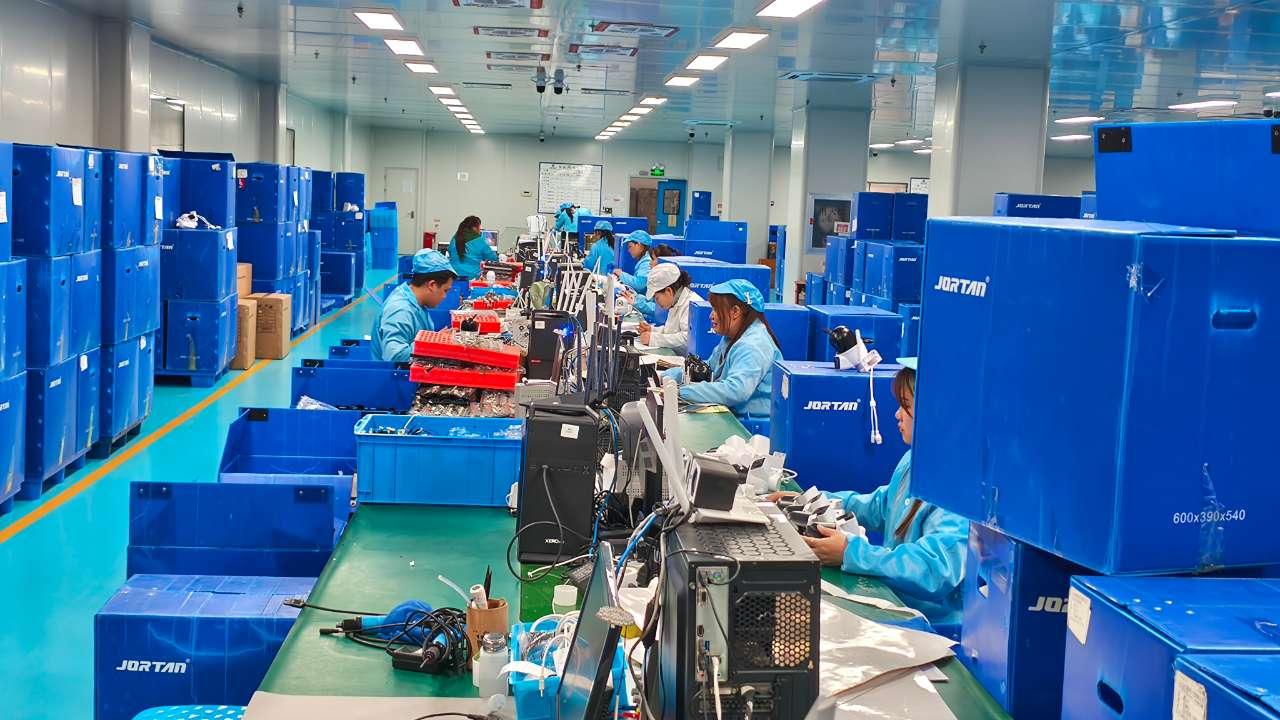
Process visibility is one of the strongest E-E-A-T signals for a manufacturing page. The original factory images are preserved below, showing the production and quality workflow from injection molding through final packaging.
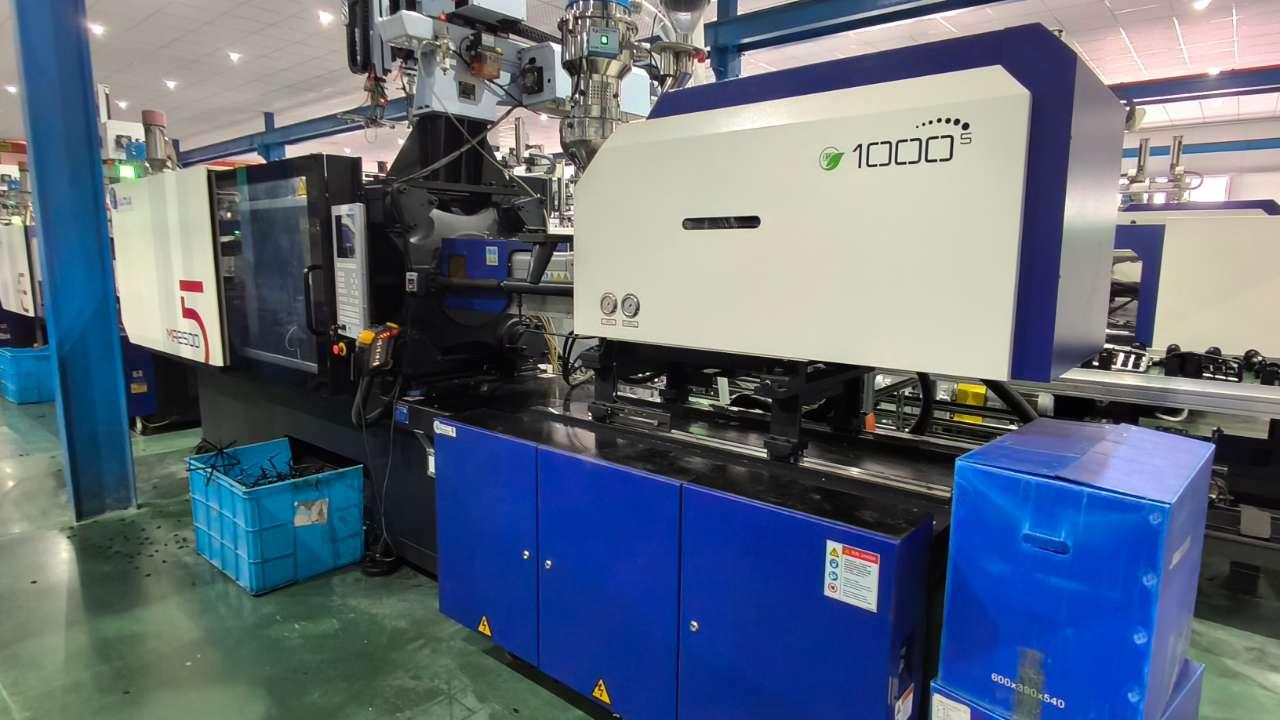 Injection Molding
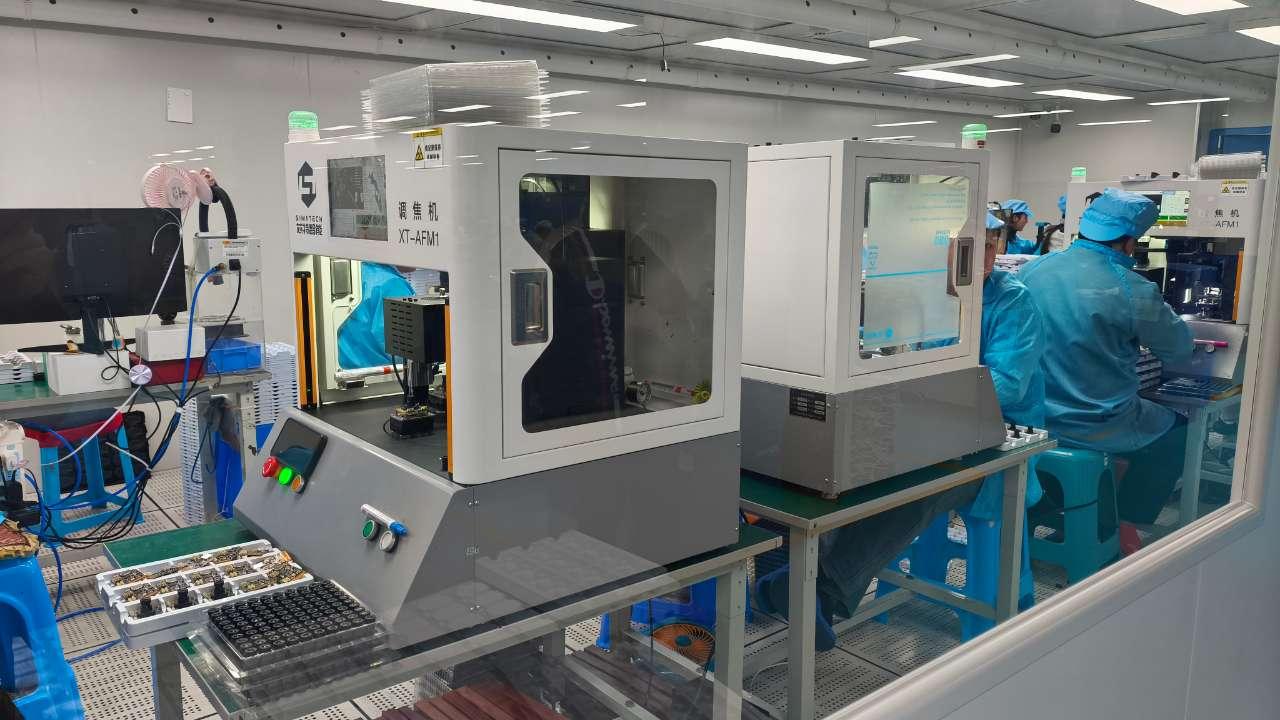 Chip Assembling
 Assembling
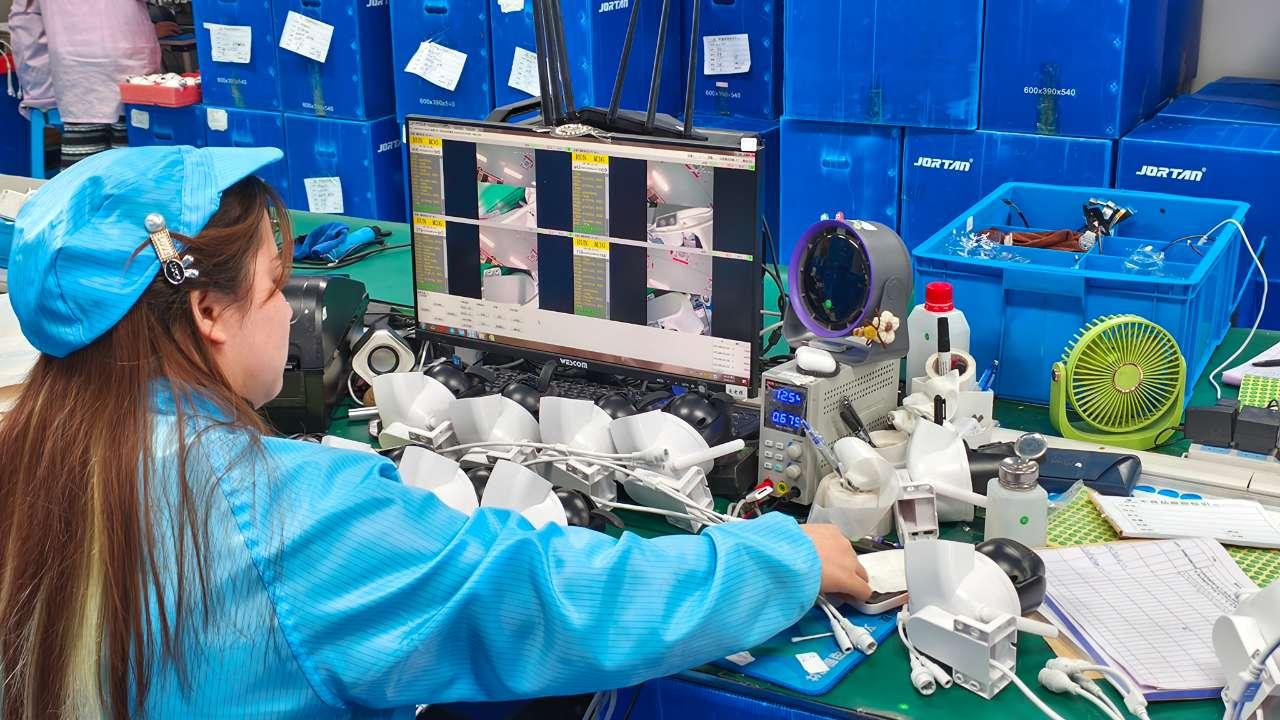 Testing
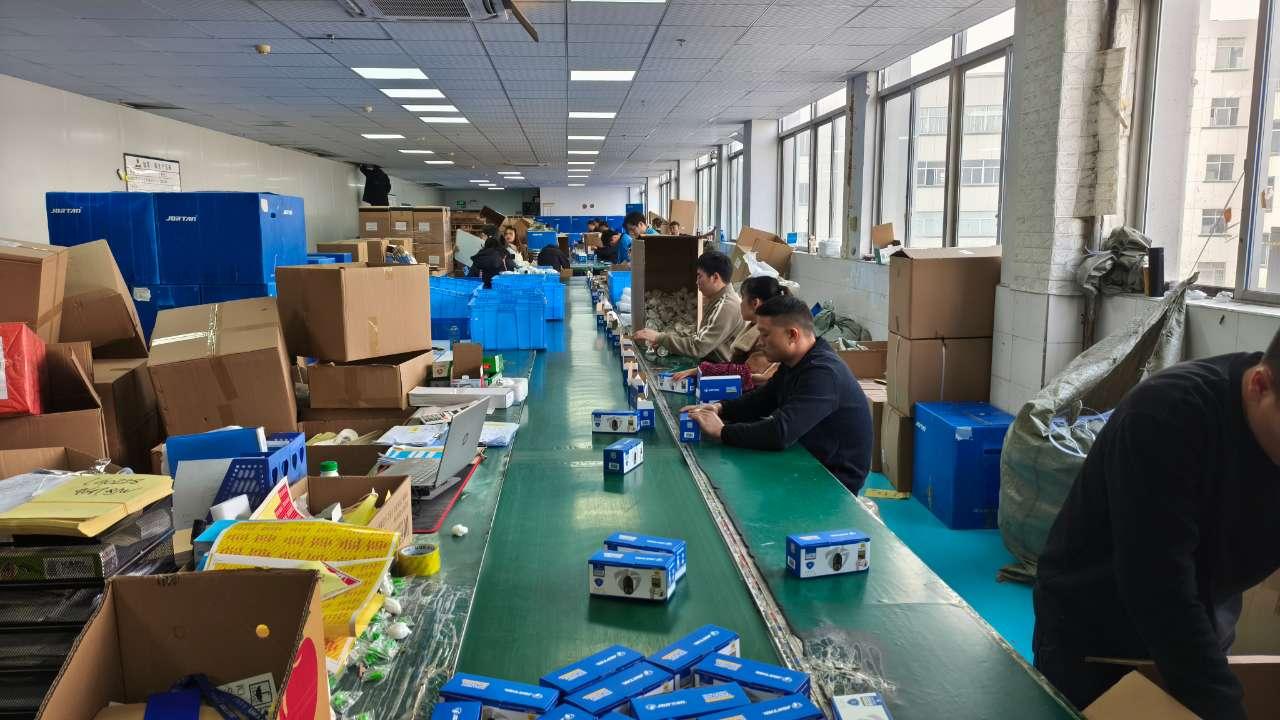 Packaging
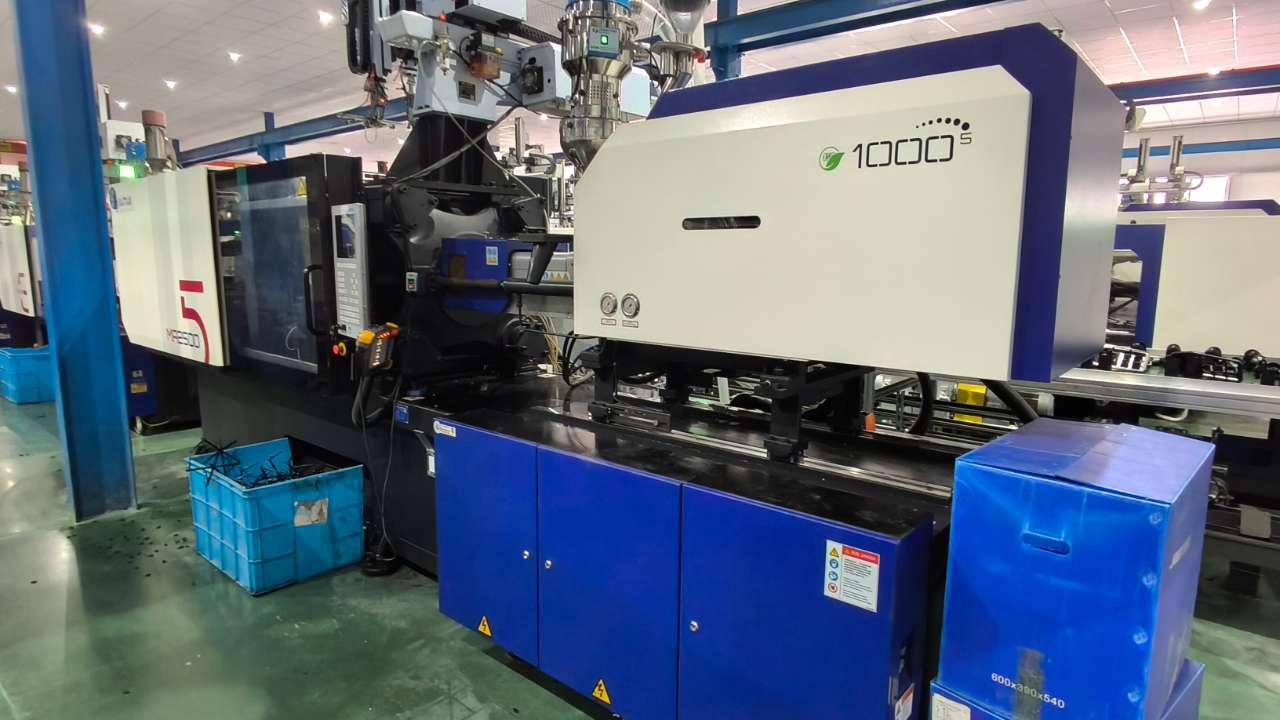 Injection Molding Machine
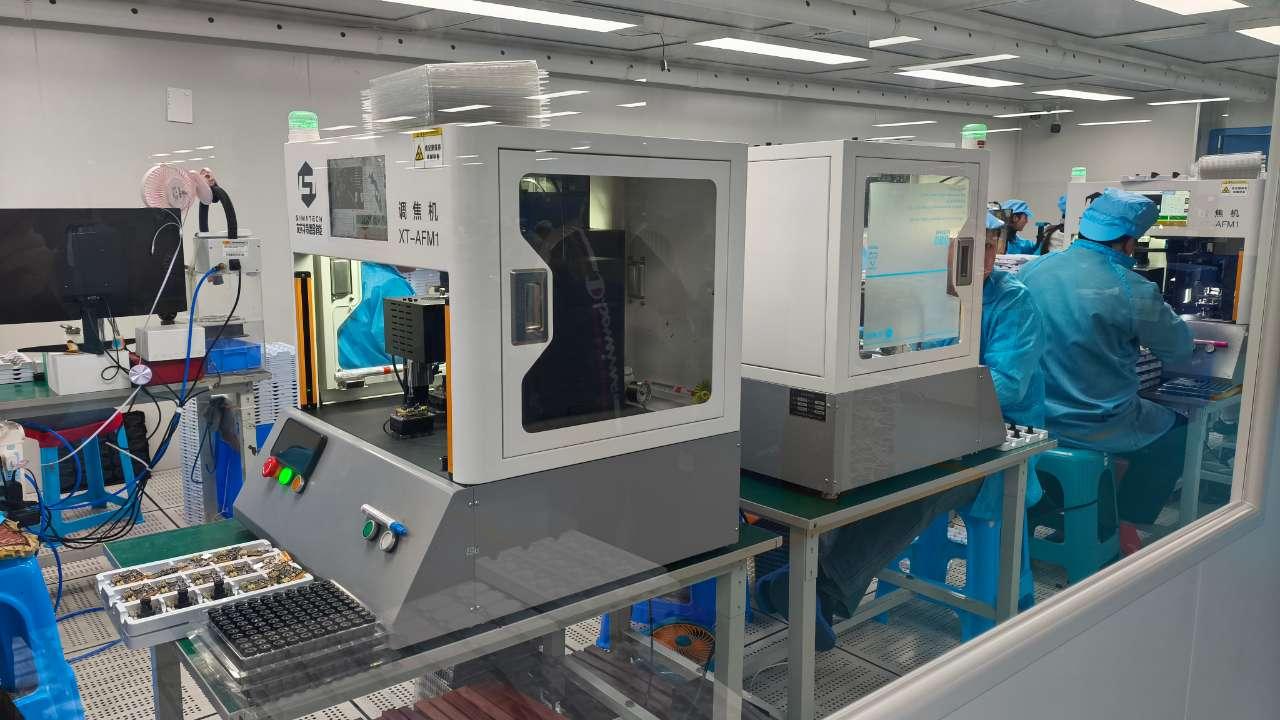 Chip Assembling Line
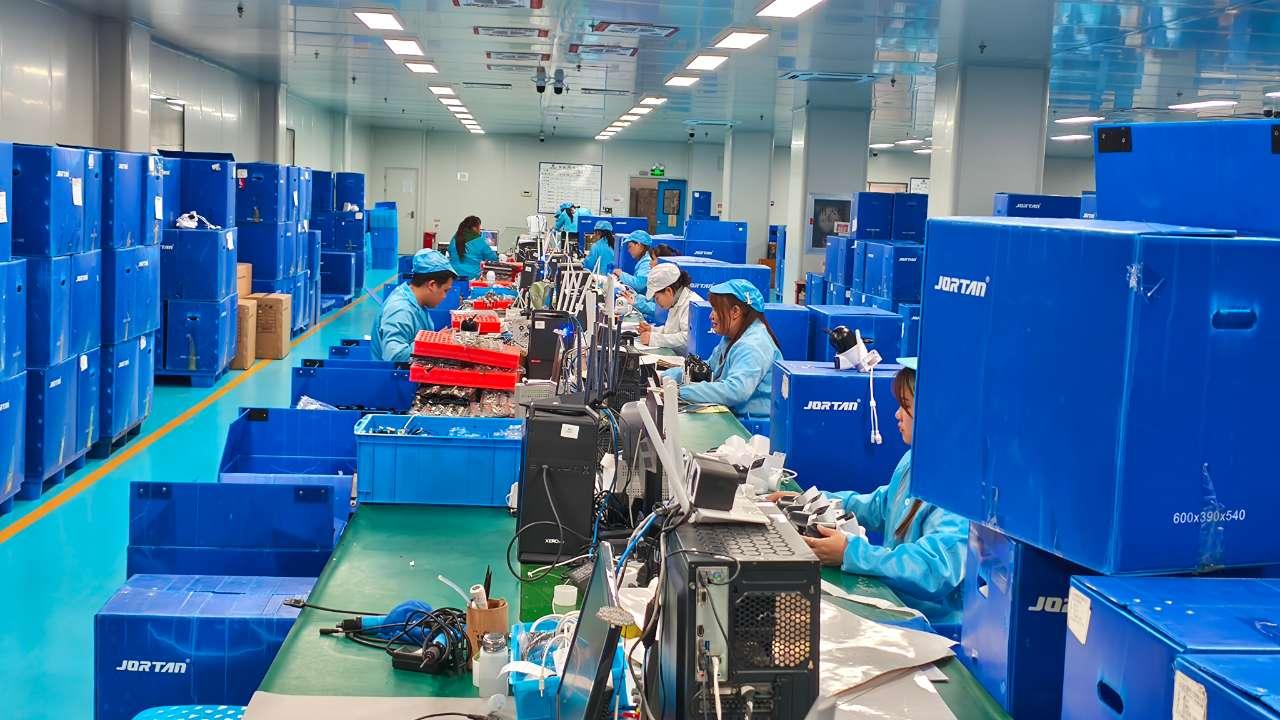 Assembling Line
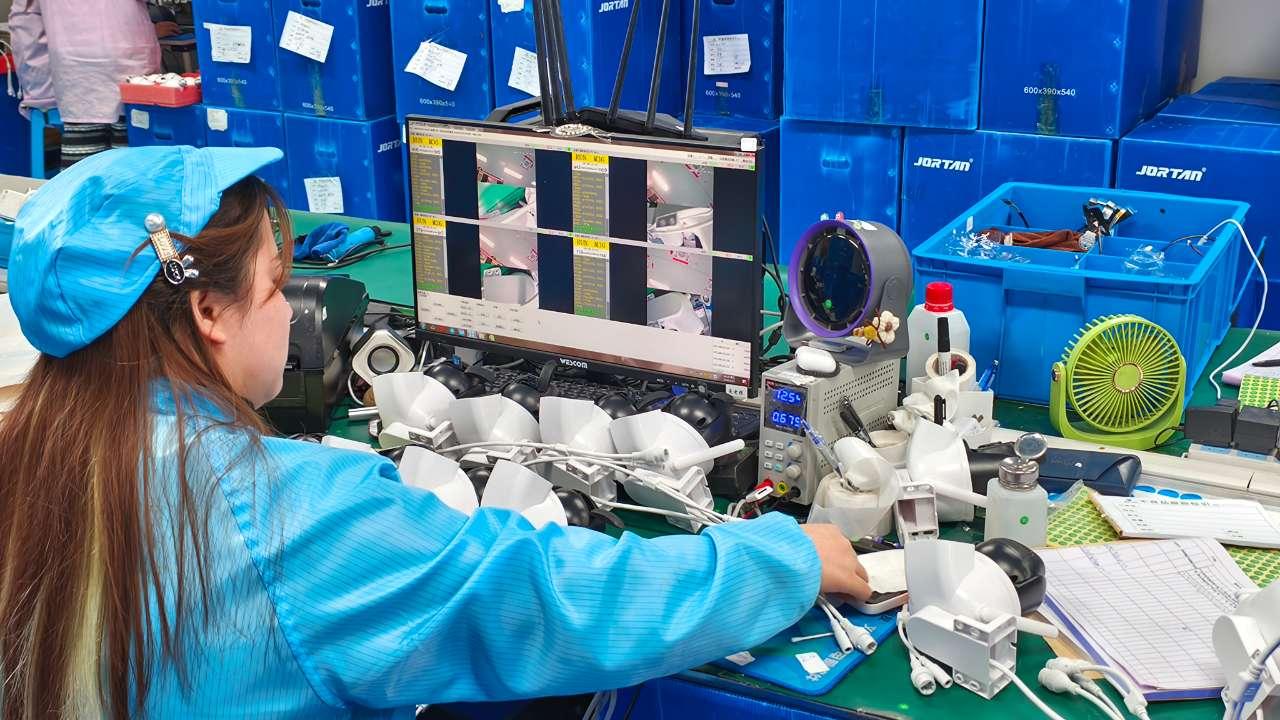 Testing Line
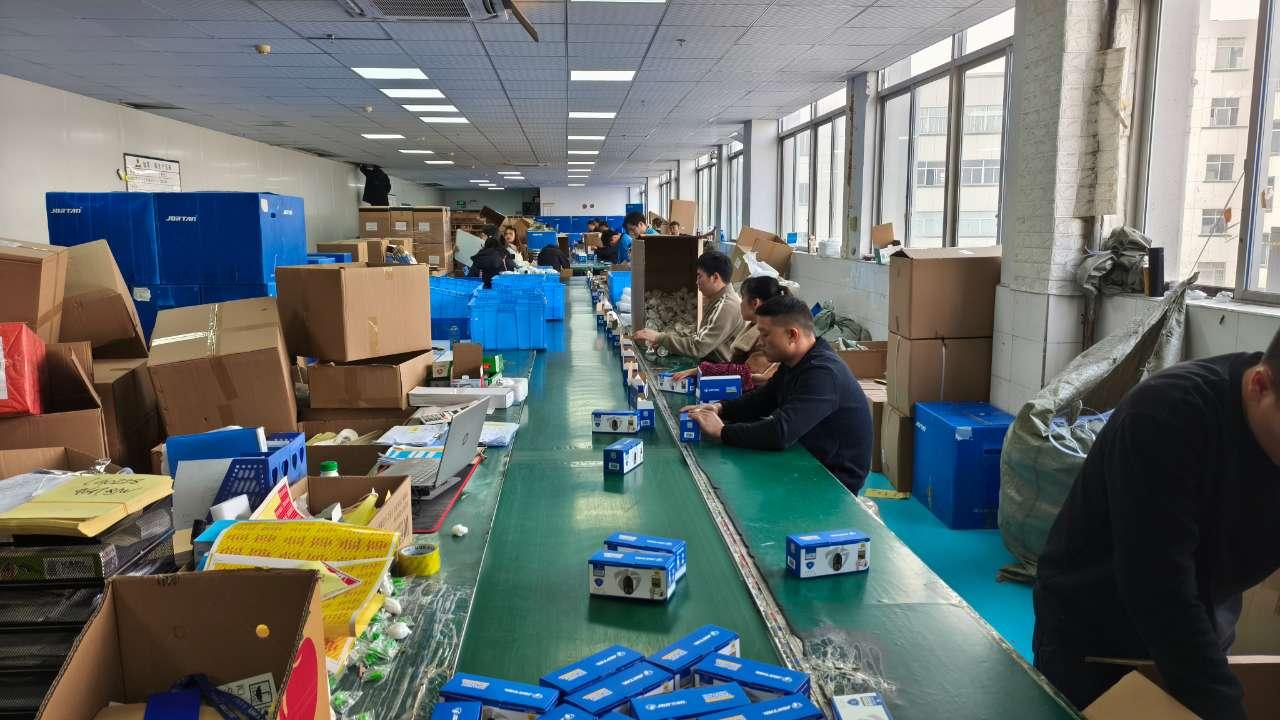 Packaging Line
These FAQs address common procurement questions behind high-intent searches for compact security cameras factories, OEM surveillance manufacturers, and factory-direct CCTV suppliers.
A compact security camera factory should combine in-house or tightly controlled production, compact-camera engineering, imaging validation, reliability testing, OEM/ODM flexibility, and export documentation. The key is not the size of the product alone; it is the factory’s ability to repeat small-form-factor builds with consistent quality.
Ask for owned premises, process-flow evidence, production line photos, testing records, engineering team structure, and model-specific certificates. A qualified factory can explain where the housing, PCB assembly, final assembly, testing, and packaging happen, and who controls each stage.
Look for edge AI, day/night imaging validation, WiFi/4G connectivity, ONVIF integration, cloud or local storage, privacy masking, secure firmware updates, and power-efficient designs for battery or solar products. Thermal, multi-spectral, GPS, and auto-tracking capabilities are increasingly relevant for industrial buyers.
AxizView supports flexible OEM/ODM customization based on its self-owned factory and technical team. Buyers can discuss product design, precision production, packaging, logo, firmware features, night vision, AI-powered motion detection, remote monitoring, cloud storage integration, and smart-home compatibility requirements with the team.
Compliance should be handled as a documented process. Buyers should request current certificates and test reports, verify model numbers and scope, and discuss privacy masking, access control, encryption, retention, local storage, and firmware update policies. Requirements vary by market and project, so final compliance should be validated for the destination country.
Compact cameras are well suited to retail, residential, construction sites, warehouses, schools, public facilities, and industrial perimeters. Selection depends on lighting, network availability, power, distance, environmental rating, storage policy, and whether panoramic coverage, PTZ zoom, thermal detection, or battery/solar operation is required.
The final eight product entries preserve the original images and product URLs. They include PTZ, fisheye, solar, dome, thermal robot, trail camera, and adjacent OEM categories, demonstrating the multi-category production flexibility referenced in the original catalog.
 AxizView Camera