AxizView Camera
1 / 5
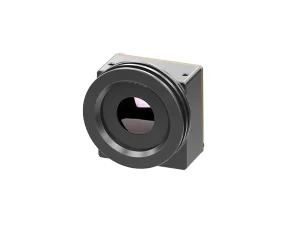
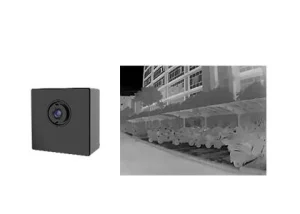
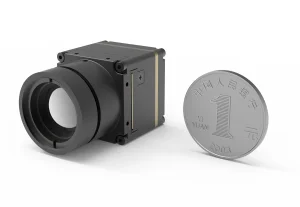
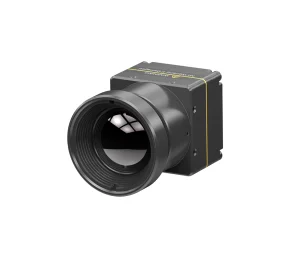
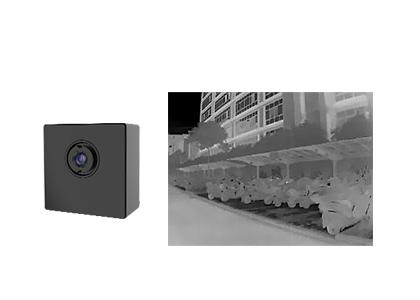
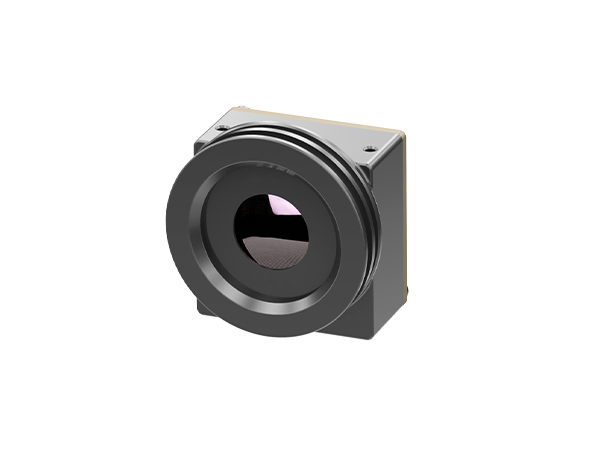
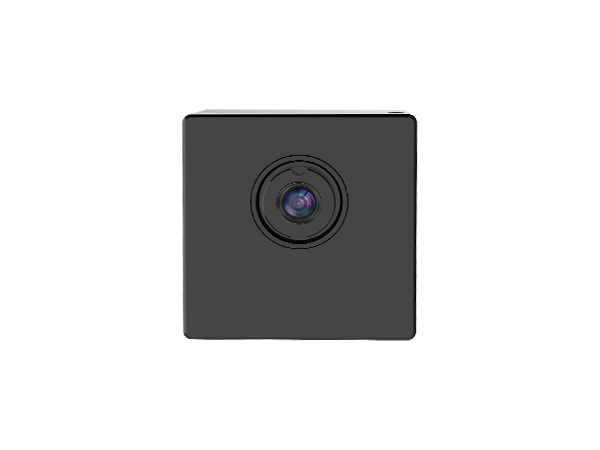
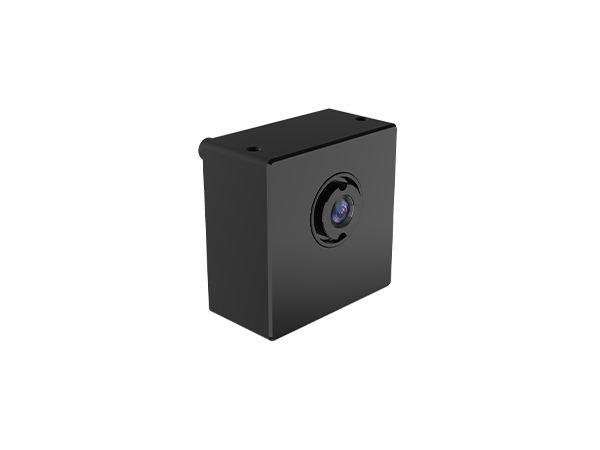
The iLC212 uncooled IR imaging module, also known as the uncooled thermal module, is radiometric-capable and features an infrared non-contact temperature measurement function. It integrates an exceptionally small 256x192 / 12μm wafer level package (WLP) infrared detector that captures the long-wave infrared (LWIR) spectrum ranging from 8 to 14μm.
Compared to other thermal modules in the market, the iLC212 delivers superior image performance through intelligent image processing algorithms, including Non-uniformity Correction (NUC), 3D Noise Reduction (3DNR), 2D Noise Reduction (DNS), Dynamic Range Compression (DRC), and Edge Enhancement (EE).
This module provides temperature measurement from -20ºC to +150ºC and supports expansion and customization. Due to its fully optimized SWaP-C (Size, Weight, Power, and Cost), it is ideal for security, monitoring, wearable devices, and AIoT applications requiring wide-angle and close-range monitoring.
| Model | iLC212R | iLC212R-P |
| IR Detector Performance | ||
| Sensitive Material / Pixel Size | Vanadium Oxide / 12μm | Vanadium Oxide / 12μm |
| Resolution / Spectral Response | 256×192 / 8μm~14μm | 256×192 / 8μm~14μm |
| Typical NETD | ≤45mK | |
| Image Processing | ||
| Frame Rate / Start-up Time | 25Hz/30Hz / 3s | |
| Digital Video | RAW / YUV / BT656 | |
| Image Algorithm | NUC, 3DNR, DNS, DRC, EE | |
| Electrical & Physical | ||
| Typical Power Consumption | 0.7W | |
| Dimension (mm) | 21×21×12.8 | 21×21×17.4 |
| Weight | 8.6g±1g | 13g±1g |
| Operating Temperature | -40ºC~+70ºC | |
| Protection Level | / | IP67 Rating |
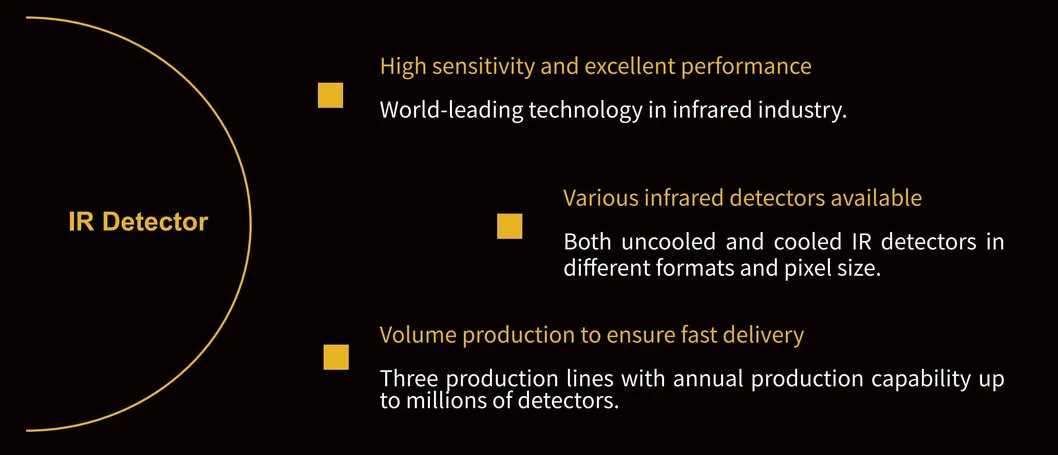

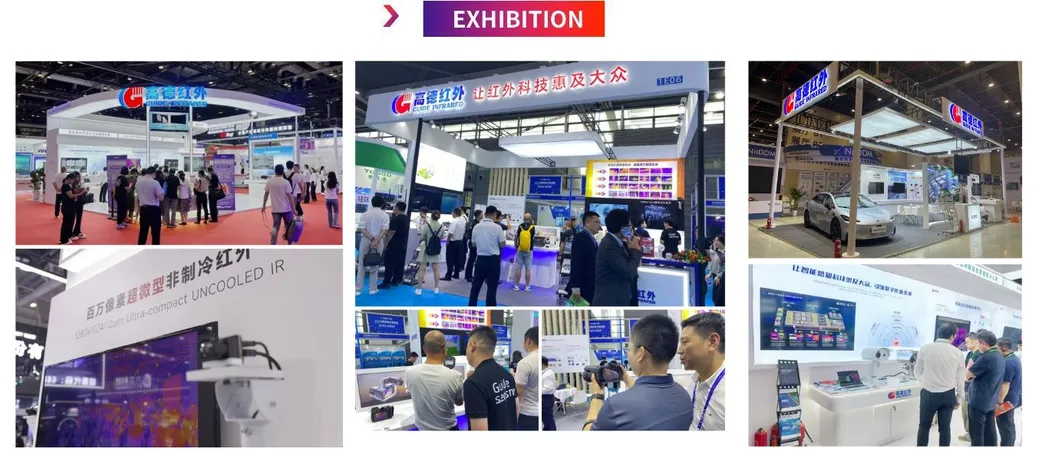
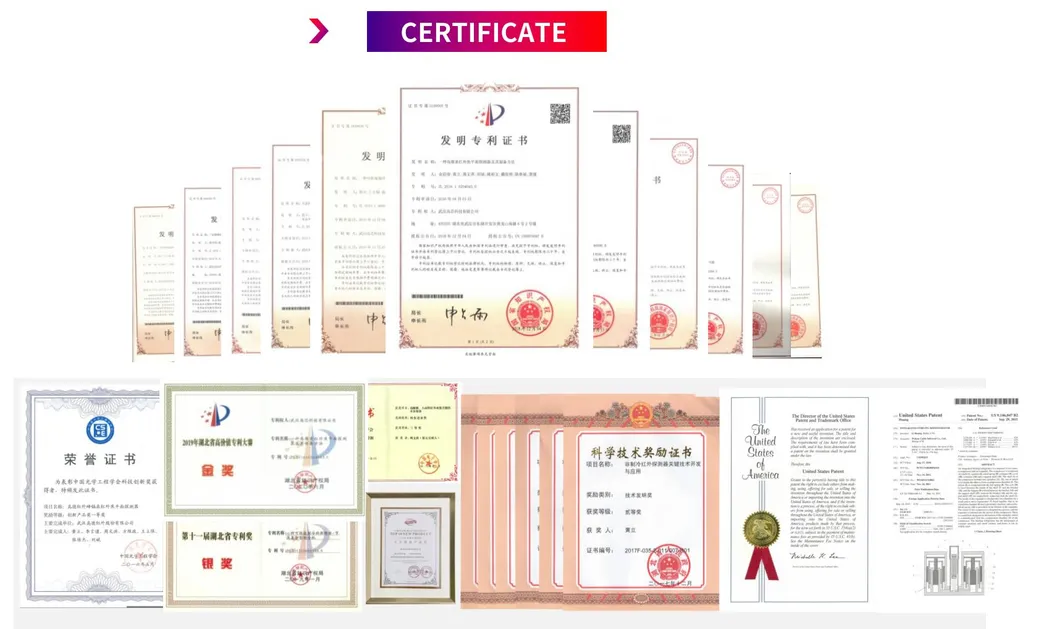
As a leading infrared detector manufacturer and service provider, we offer high-performance uncooled and cooled thermal imaging detectors. Our facility covers 30,000 square meters, including 20,000 square meters of clean room space for fabrication lines. All key processes, such as element purification, epitaxy growth, chip tape-out, and vacuum packaging, are completed in-house.
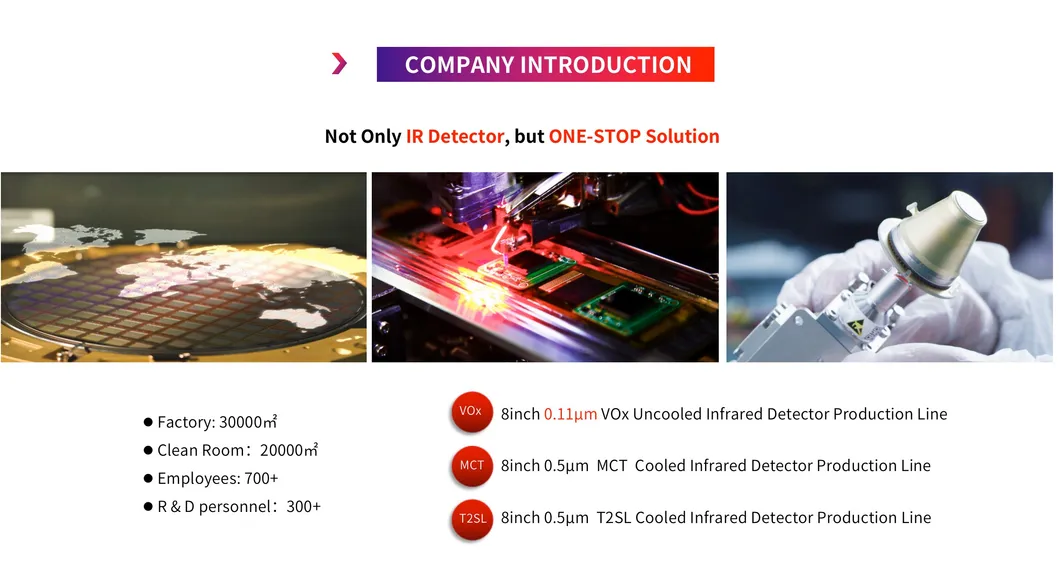
Our infrared detectors are widely used in thermography, security surveillance, automotive, and consumer infrared products. The volume production capability allows us to meet the growing demands of emerging markets globally.